Hernia
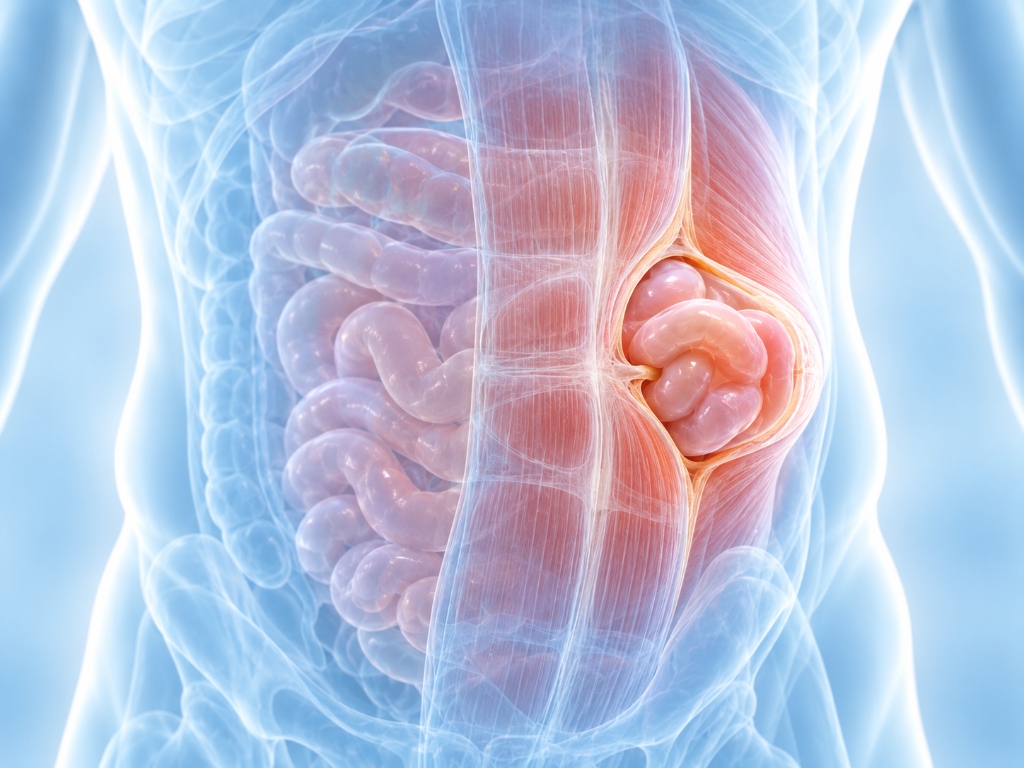
Laparoscopic Hernia Surgery
TEP and TAPP keyhole repair for selected hernias.
Laparoscopic hernia surgery repairs selected hernias using small incisions, a camera and mesh reinforcement where appropriate.
Treatments & specialities
Hernia surgery considers the site, size, symptoms and risk profile of a hernia before deciding whether observation, open repair, laparoscopic repair or specialist reconstruction is most appropriate.
General information only. Treatment choice depends on diagnosis, investigations, symptoms, fitness for surgery and consultation.
A hernia occurs when tissue pushes through a weakness in the abdominal wall or diaphragm. Symptoms, hernia type and previous surgery influence the treatment plan.
Laparoscopic, open and complex repairs have different advantages. The approach is selected after examination and, where needed, ultrasound or CT imaging.
Treatments
Choose a treatment to read the full patient guide before booking.
Hernia
TEP and TAPP keyhole repair for selected hernias.
Laparoscopic hernia surgery repairs selected hernias using small incisions, a camera and mesh reinforcement where appropriate.
Hernia
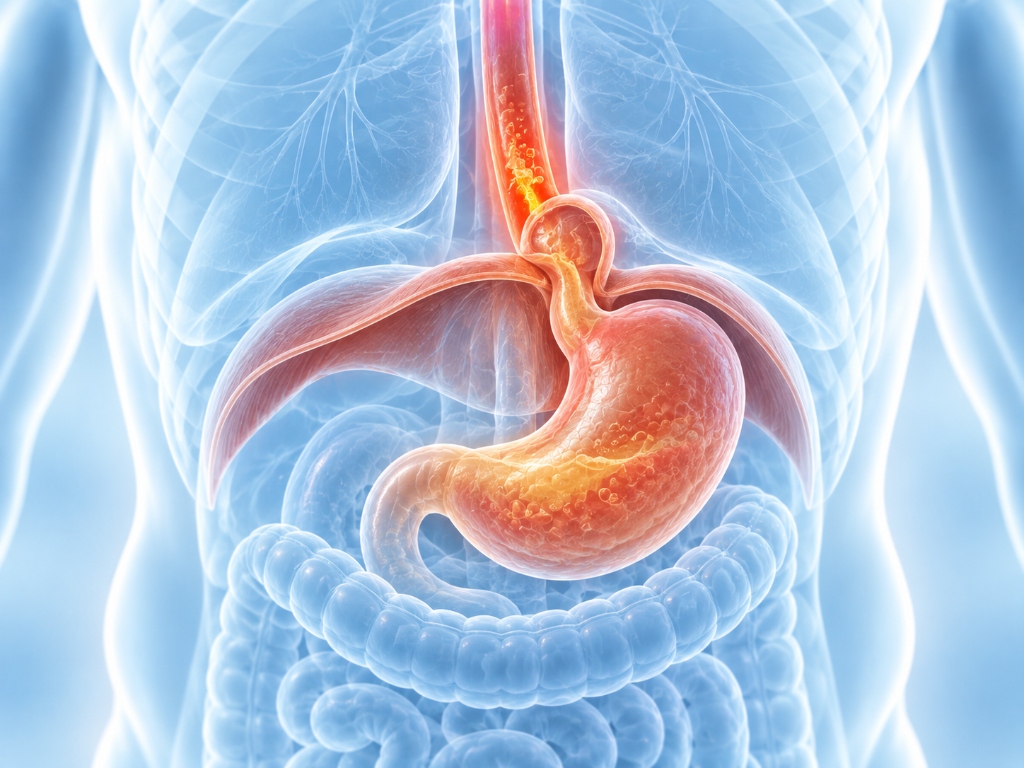
Repair of a diaphragm defect when clinically suitable.
Diaphragmatic hernia repair treats selected defects in the diaphragm after imaging and specialist assessment.
Hernia
Repair of hernias developing through a previous abdominal wound.
Complex incisional hernia surgery treats hernias that develop through previous abdominal surgical scars and may require careful imaging and repair planning.
Your consultation
Prof. Sheth will review symptoms, investigations and treatment aims before advising whether this speciality pathway is appropriate.