Back to home

Treatments & specialities

Upper GI

Upper GI care focuses on symptoms and conditions involving the oesophagus, stomach and duodenum. Assessment may include clinical review, investigations and discussion of non-surgical or procedural options.

General information only. Treatment choice depends on diagnosis, investigations, symptoms, fitness for surgery and consultation.

What is Upper GI care?

This area of practice covers the upper part of the digestive system: the oesophagus, stomach and first part of the small bowel. It may involve diagnostic endoscopy, reflux assessment and treatment planning.

When might you be referred?

  • Persistent heartburn or regurgitation
  • Swallowing difficulty or upper abdominal discomfort
  • Suspected ulcers, inflammation, bleeding or anaemia
  • Symptoms that need specialist review before treatment is chosen

Assessment and preparation

Assessment depends on symptoms and previous tests. Some patients need an endoscopy, imaging, blood tests or medication review. Preparation advice is given for any planned procedure.

Your consultation

The consultation is used to review symptoms, investigations and treatment goals, then decide whether observation, medication, endoscopy or surgery is appropriate.

Treatments

Available Upper GI care

Choose a treatment to read the full patient guide before booking.

Upper GI Endoscopy

Upper GI

Upper GI Endoscopy

Camera examination of the oesophagus, stomach and duodenum.

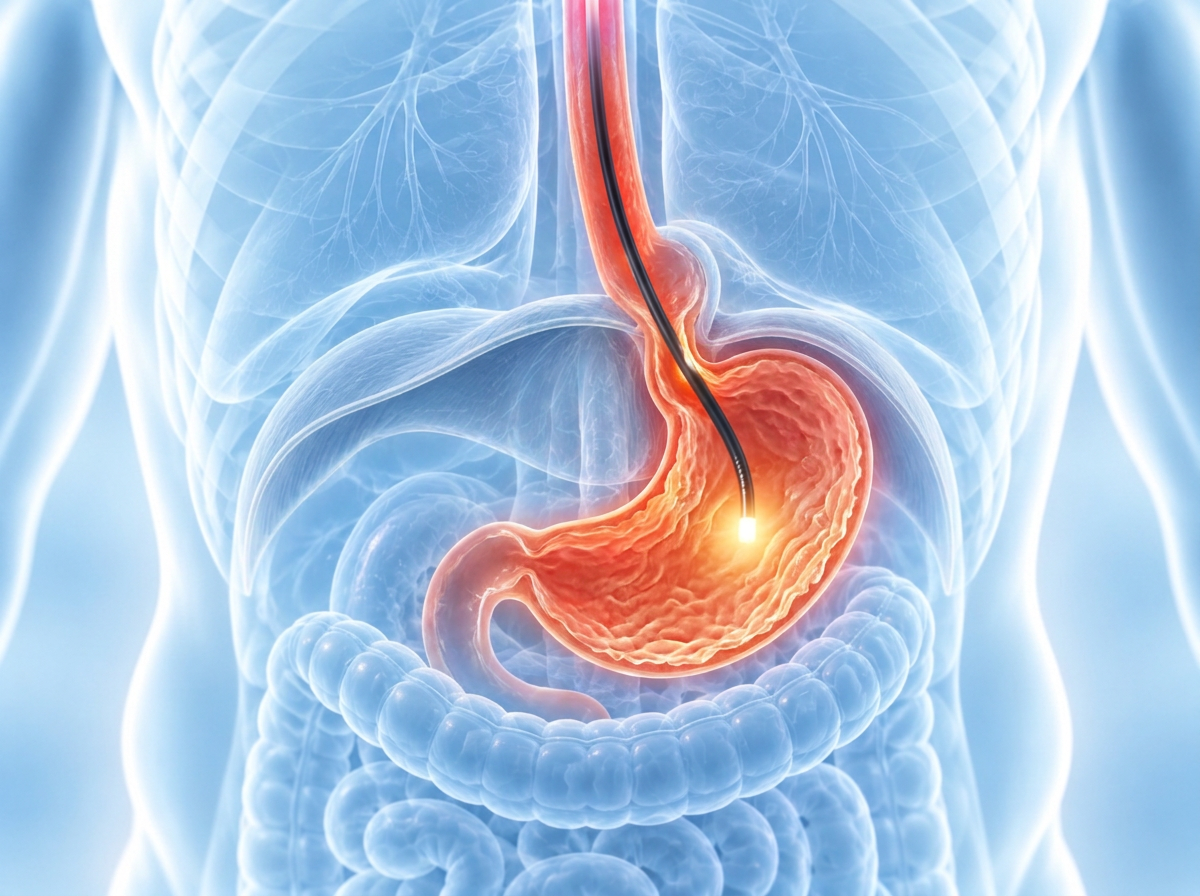
Upper GI endoscopy is a diagnostic procedure used to look inside the upper digestive tract and investigate symptoms such as reflux, swallowing difficulty, bleeding, anaemia or persistent upper abdominal discomfort.
Read about Upper GI Endoscopy
Anti-Reflux Surgery

Upper GI

Anti-Reflux Surgery

Laparoscopic fundoplication and reflux-related hiatus hernia repair.

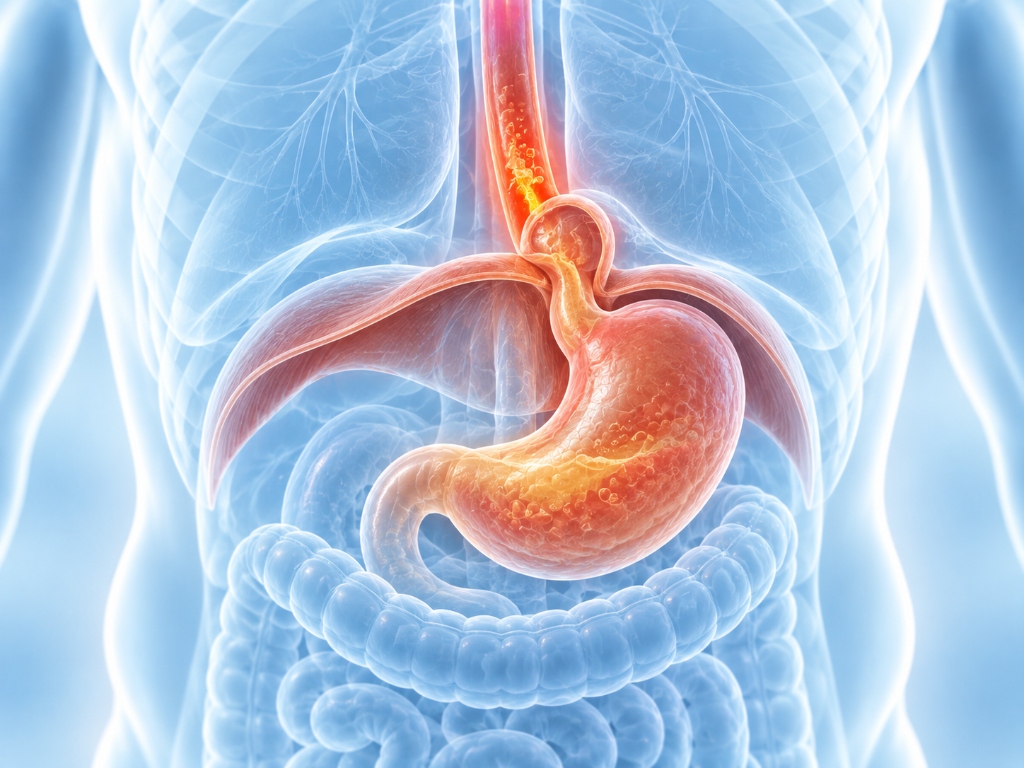
Anti-reflux surgery may be considered for selected patients with persistent reflux symptoms, GORD or reflux-related hiatus hernia after specialist assessment.

Read about Anti-Reflux Surgery

Your consultation

Discuss the right treatment route

Prof. Sheth will review symptoms, investigations and treatment aims before advising whether this speciality pathway is appropriate.